Fruit Tree Pruning

Fruit trees require pruning to make harvesting easier, prevent pests and disease, and prevent branches from breaking from being overladen with fruit. Winter is the best time to prune fruit trees. They are dormant. You can see their structure better when the trees don’t have leaves. Trees store their energy in their roots during dormancy. When you cut a branch you aren’t removing energy from the tree, just redirecting it. The trees are also less susceptible to pests and diseases made from the pruning cuts when weather is cold.

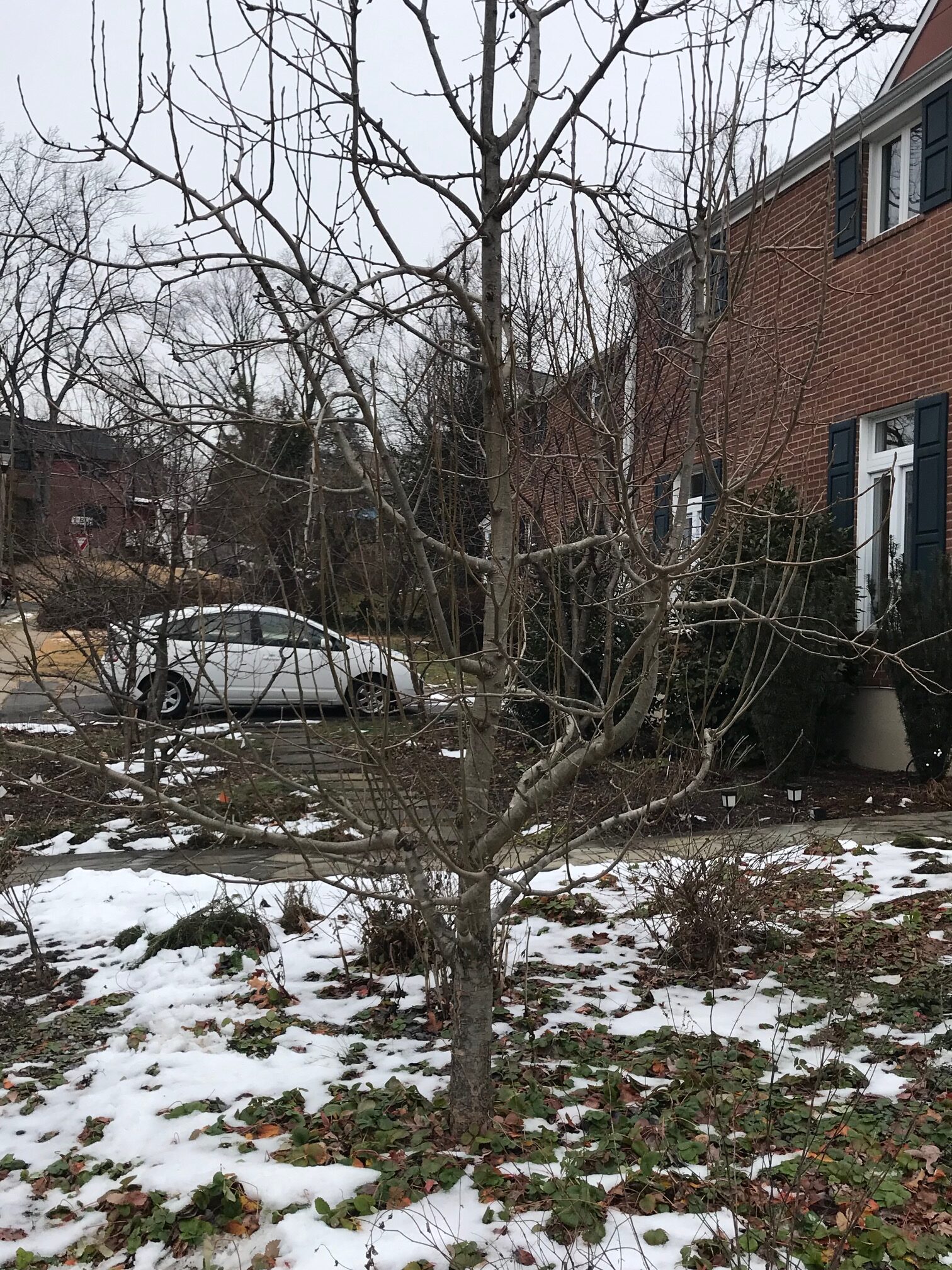
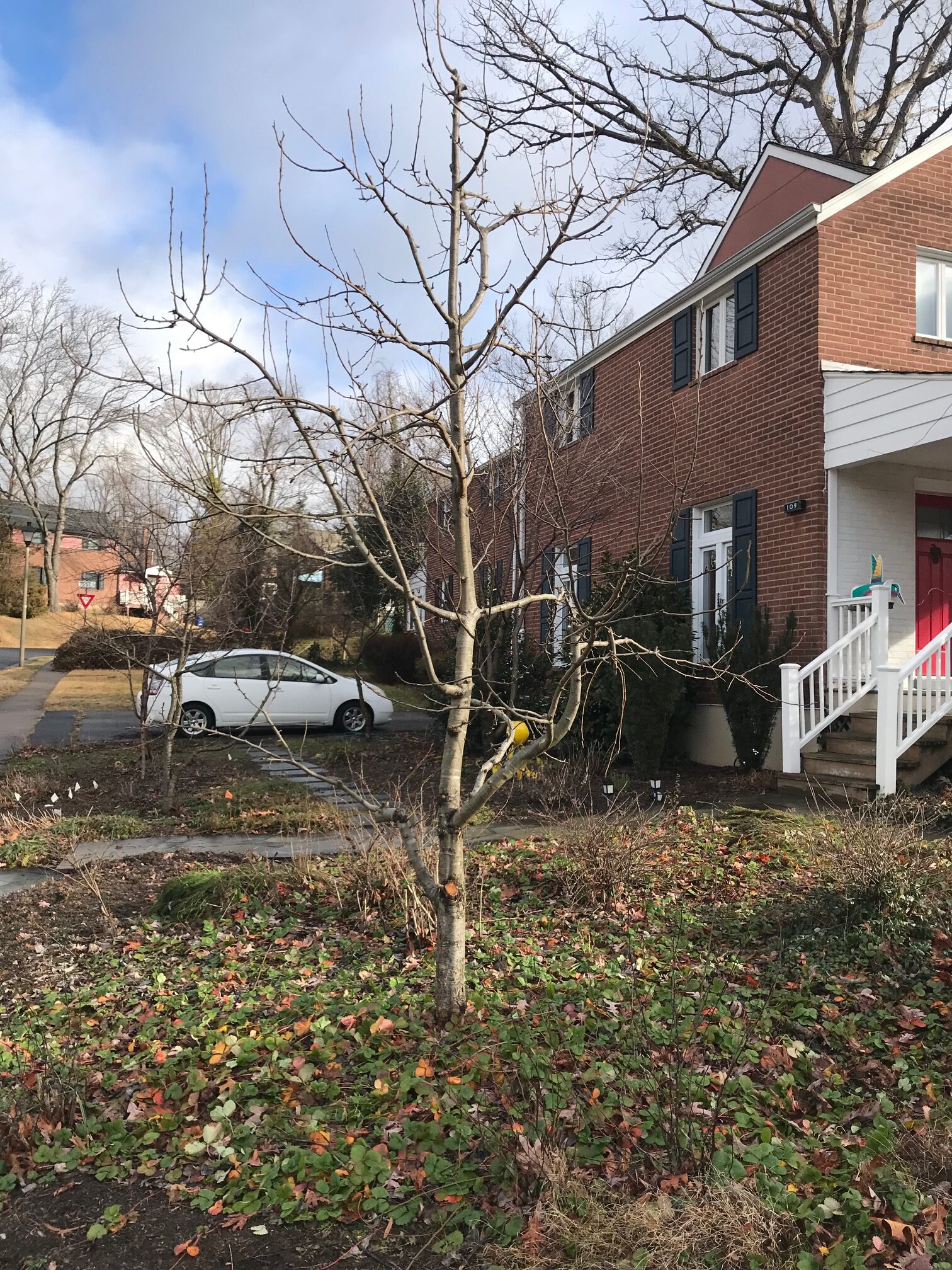
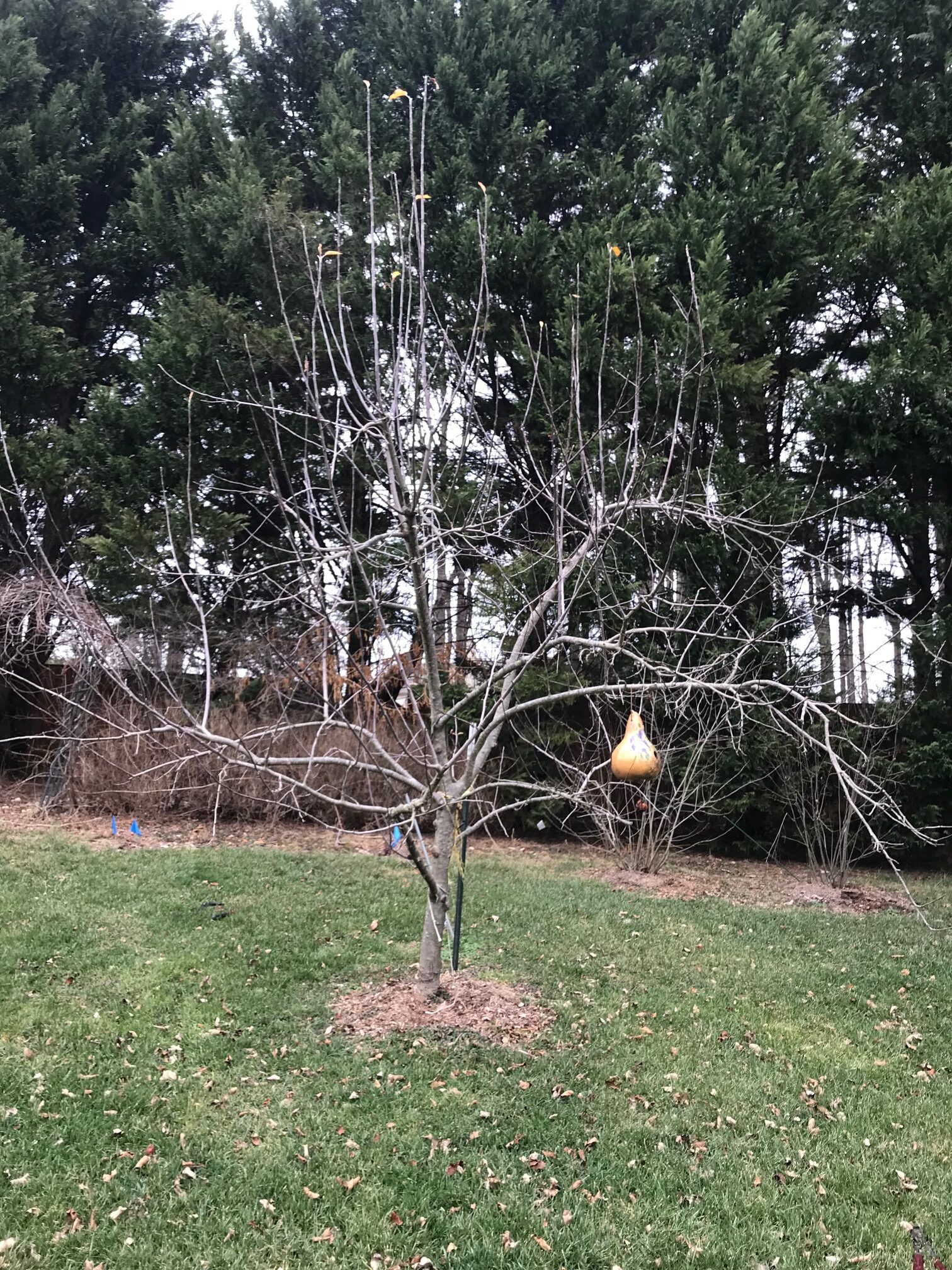
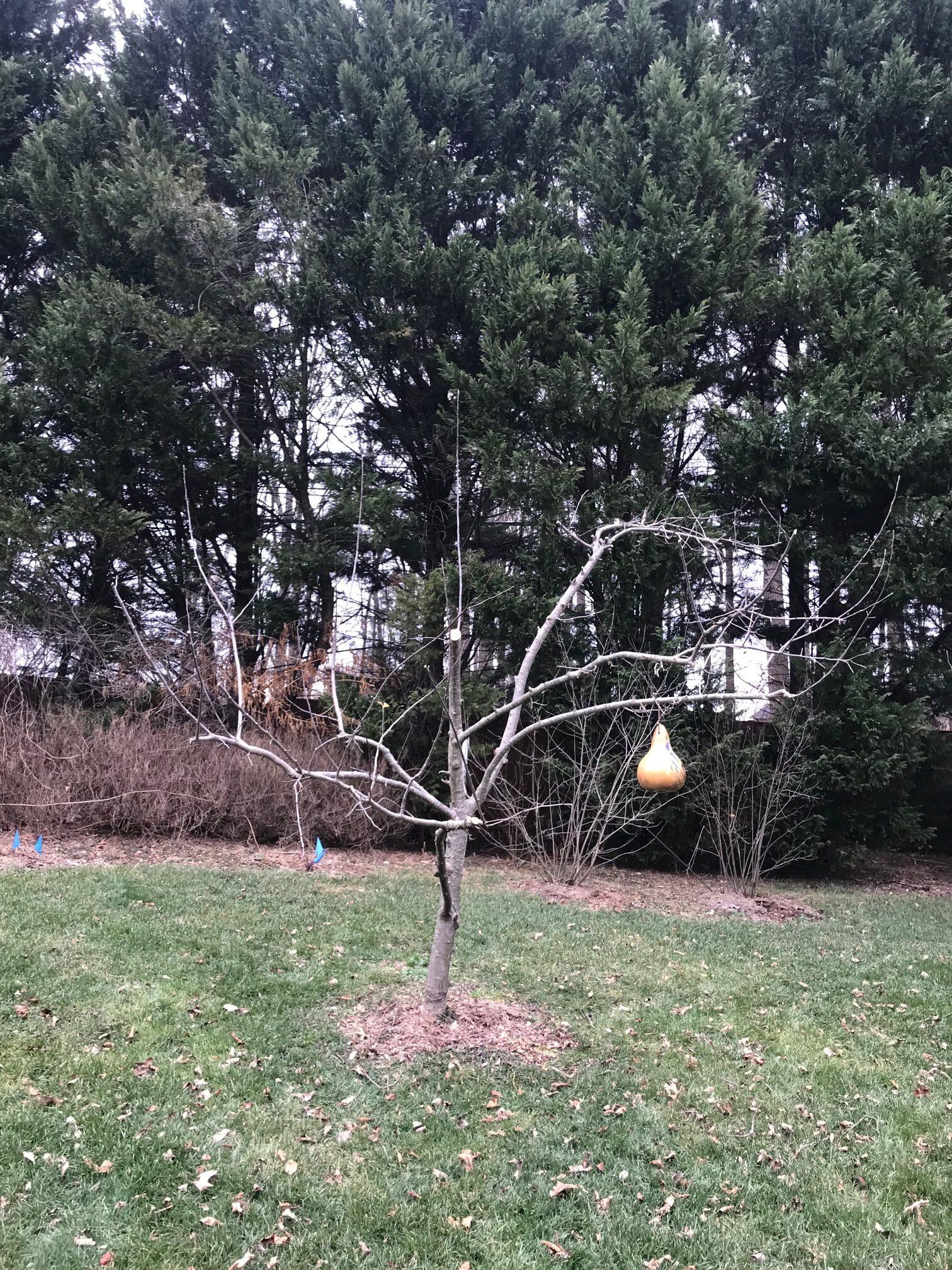
Each tree requires a unique approach but there are two main strategies for fruit tree pruning open center and central leader. Here are some before and after photos of fruit tree pruning.
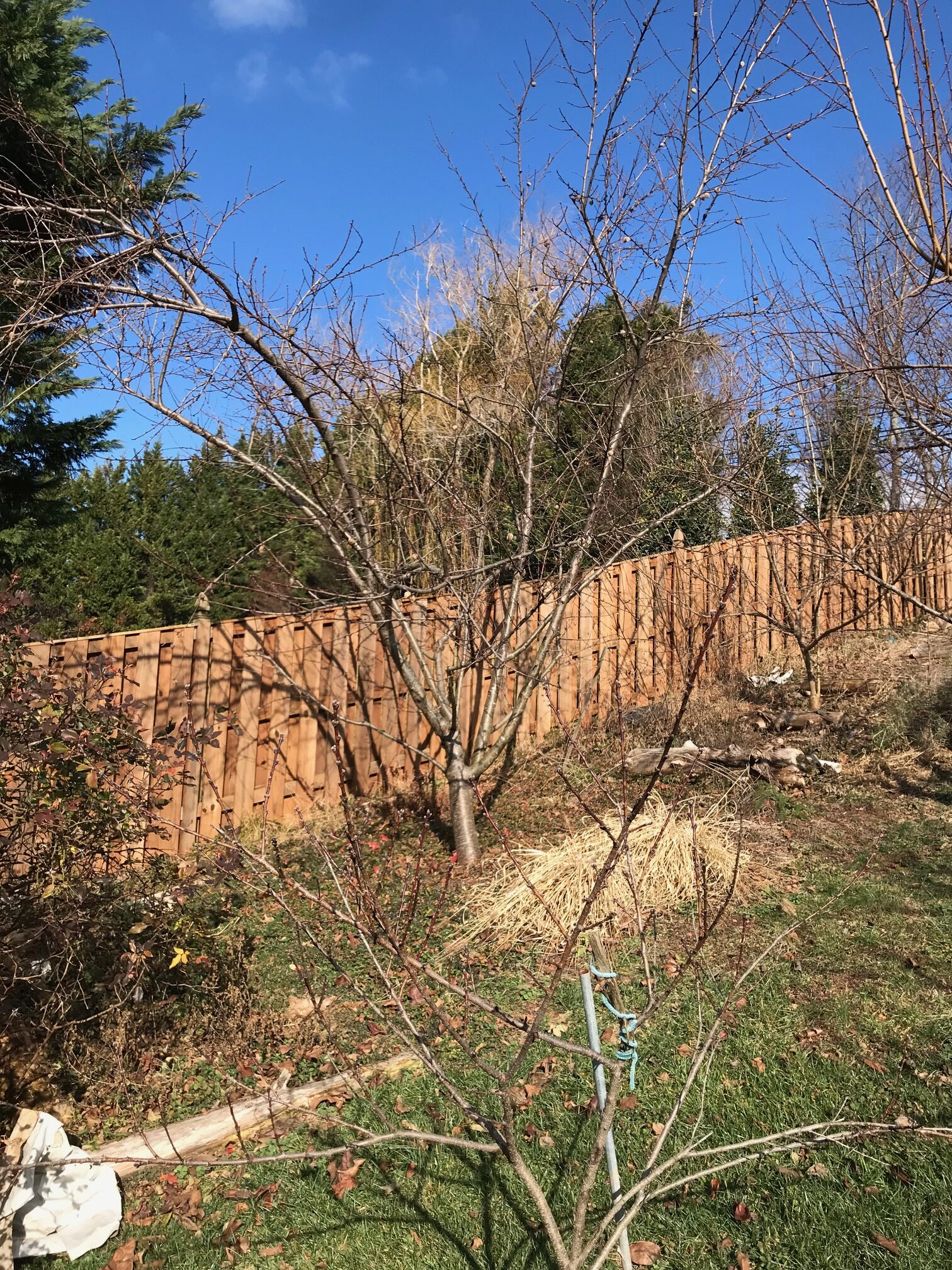
Fruit Tree Pruning: Unpruned peach tree with dense, tangled branches before winter pruning
Peach Tree Before Pruning
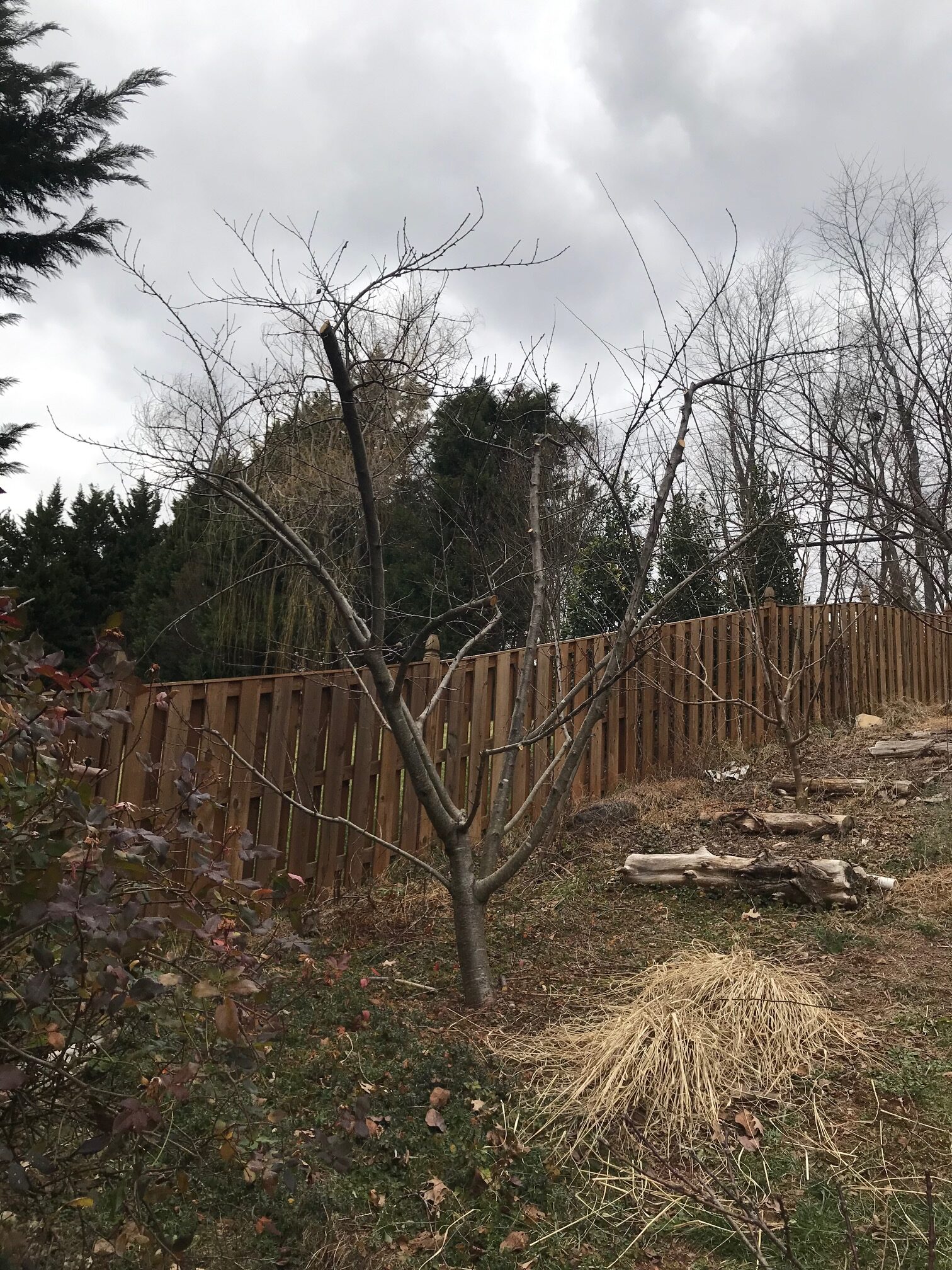
Fruit Tree Pruning: A peach tree after pruning with an open center
Peach Tree After Pruning
Unpruned pear tree with dense, tangled branches before winter pruning
Pear Tree Before Pruning
Pear tree after pruning with structural branches visible
Pear Tree After Pruning
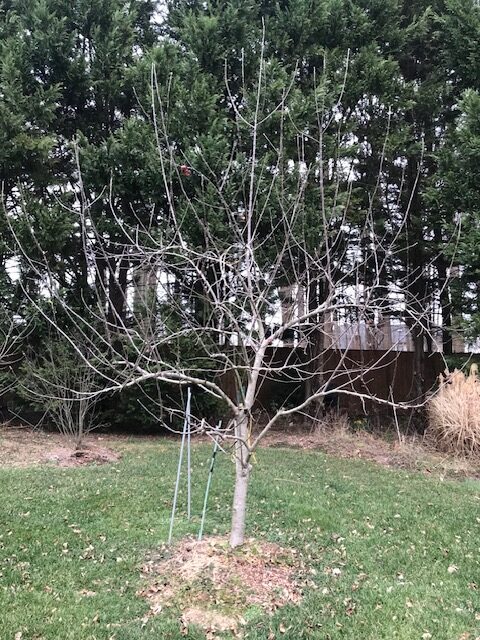
Unpruned apple tree with dense, tangled branches before winter pruning
Apple Tree Before Pruning
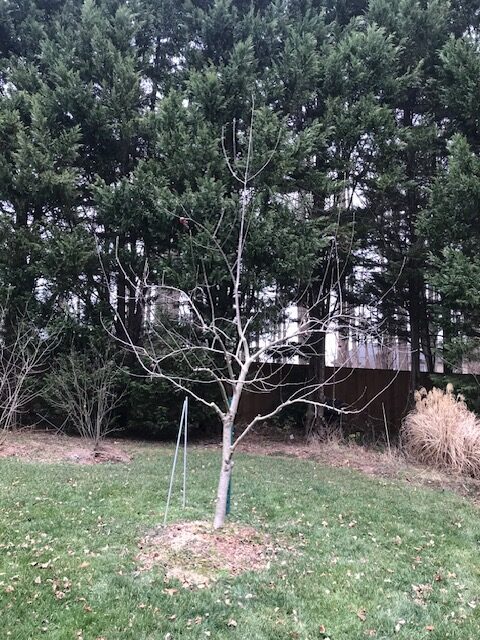
Apple tree after pruning with clear central leader and scaffolding branches
Apple Tree After Pruning
Unpruned apple tree with dense, tangled branches before winter pruning
Apple Tree Before Pruning
Apple tree after pruning with clear central leader and scaffolding branches
Apple Tree After Pruning
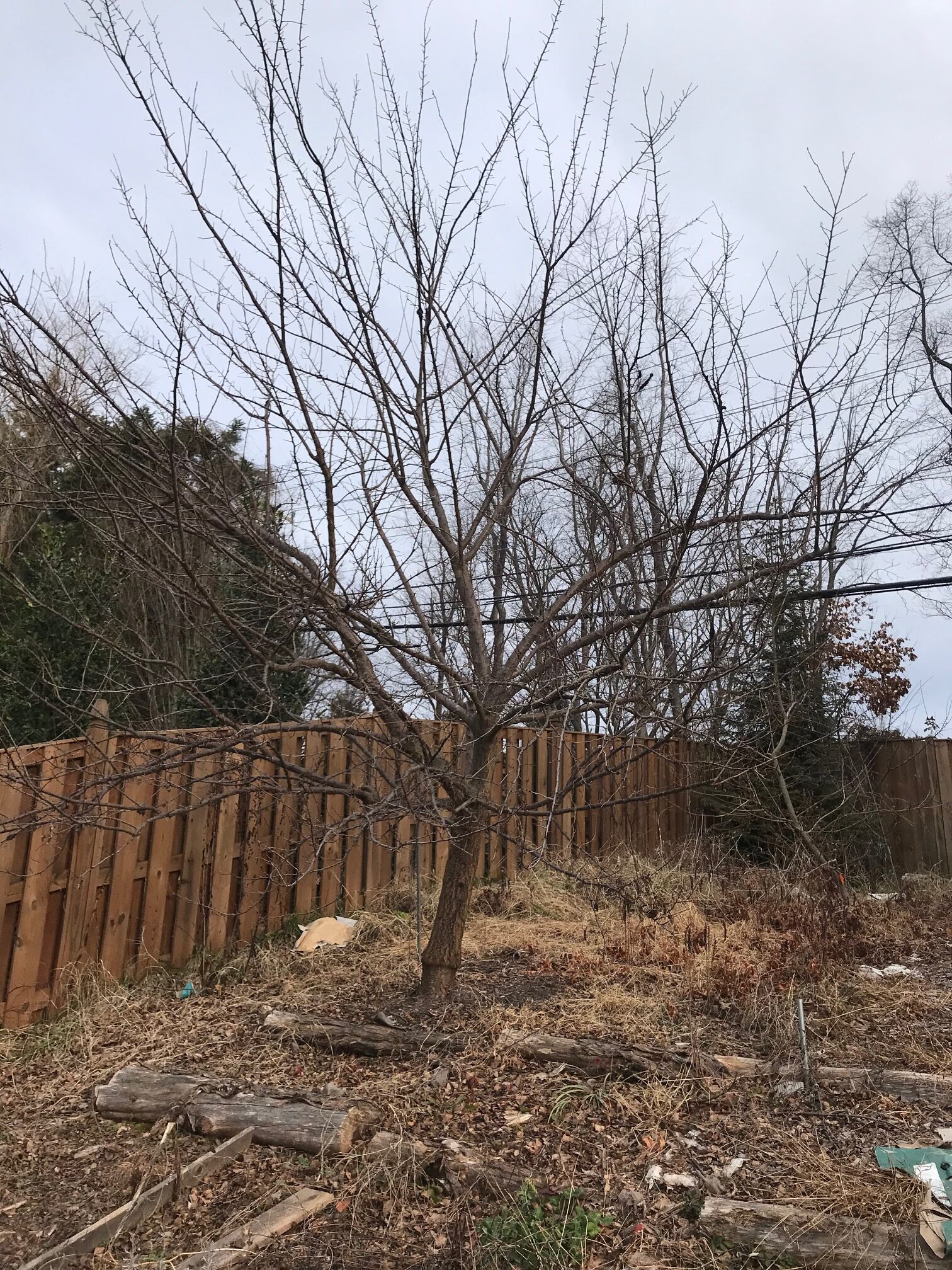
Unpruned plum tree with dense, tangled branches especially in the lower canopy prior to winter pruning
Plum Tree Before Pruning
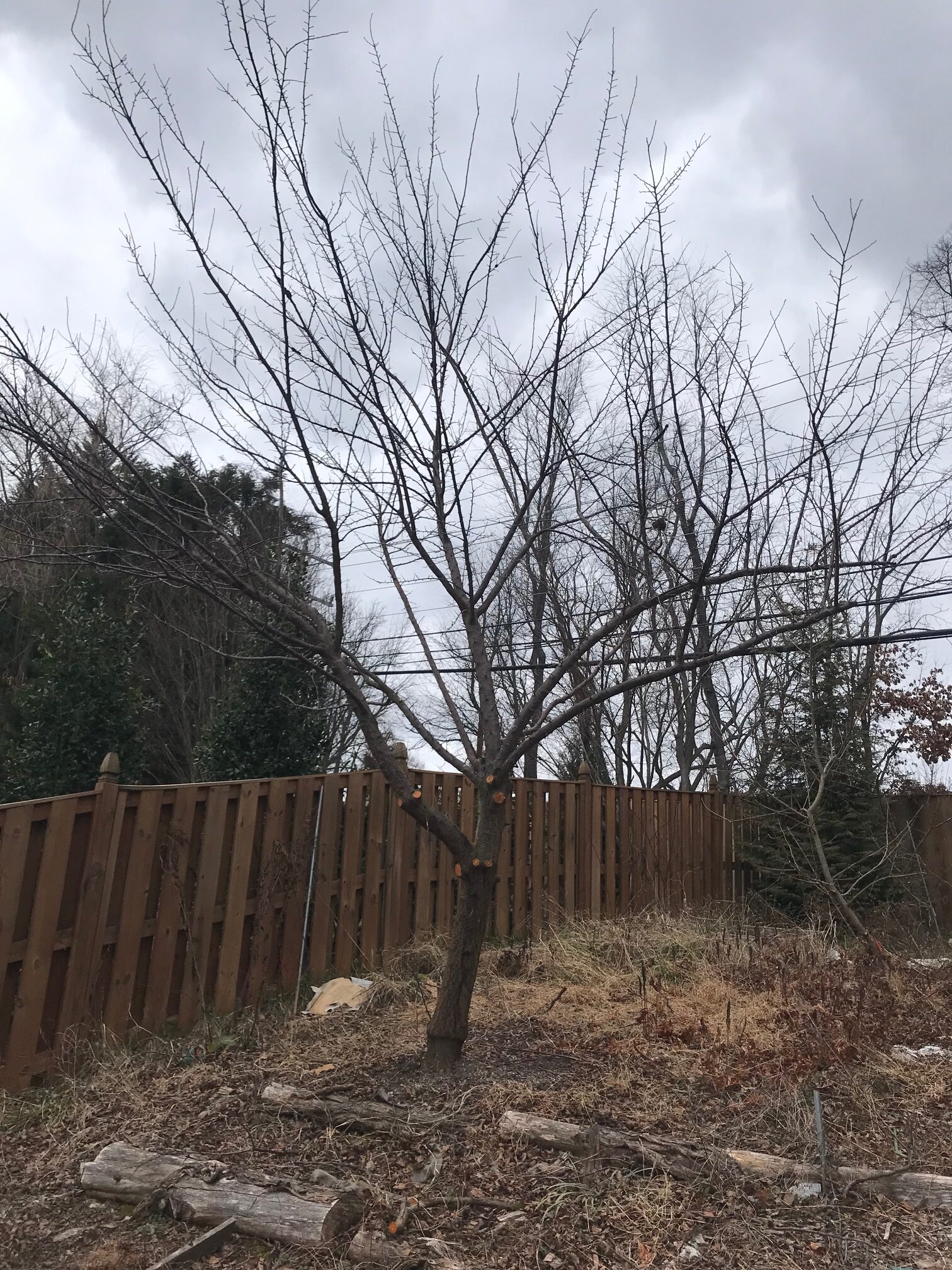
Plum tree after pruning with lower branches removed and interior cleaned up.
Plum Tree After Pruning

Contact us for more information: